The Overlooked Expenses That Can Disrupt Construction Budgets
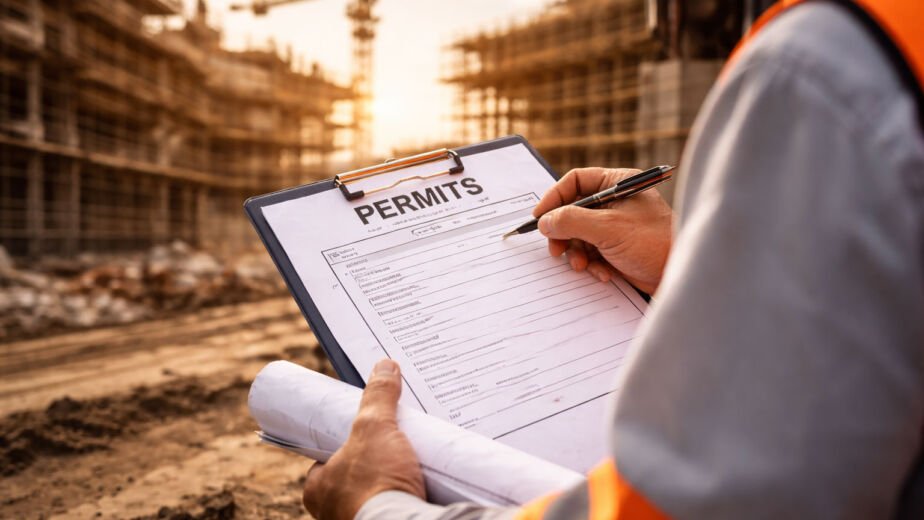
Why Construction Permits Matter More Than You Think
One of the most common reasons building projects exceed their budgets is not poor construction work—but hidden costs that were never fully accounted for during planning.
Whether you are a developer, investor, or property owner, understanding hidden construction costs is critical to protecting both timelines and financial outcomes. These costs often appear gradually, making them harder to track and more damaging when left unmanaged.
This article outlines the most common hidden costs in building projects, why they occur, and how to plan for them effectively.
Aenean arcu metus, suscipit ac sagittis vel, varius vulputate purus. Vestibulum eget felis at ipsum suscipit elementum eget a nulla. Curabitur auctor dignissim vestibulum. Praesent vel imperdiet nunc, sit amet venenatis sapien. Aenean quis varius nibh, vel egestas metus. Aenean blandit varius lacinia. Praesent imperdiet egestas aliquet. Integer luctus ex quis feugiat malesuada.
Jane Smith
Why Hidden Construction Costs Are So Common
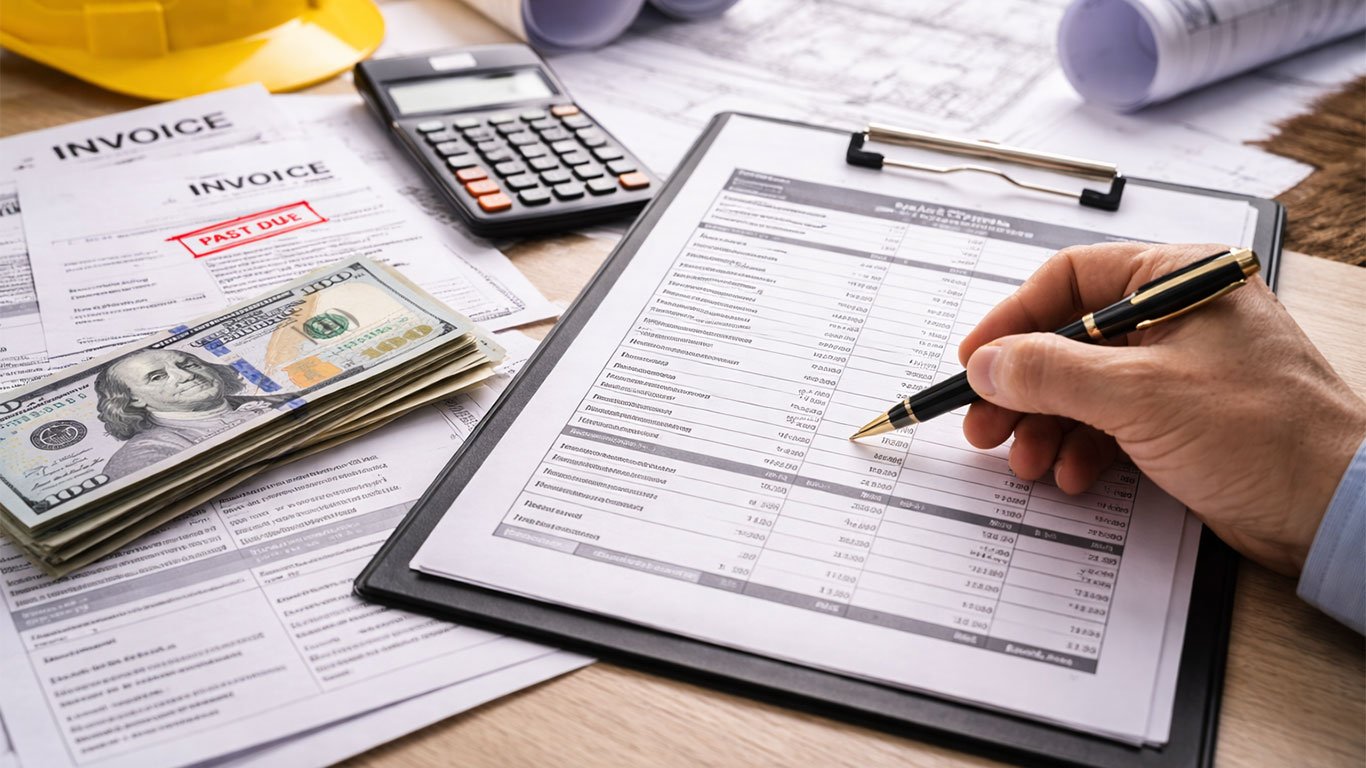
Construction budgets are usually based on visible, tangible elements such as materials, labor, and equipment. However, many construction project costs emerge outside the core build scope.
Hidden costs often arise from:
Incomplete early planning
Regulatory changes
Site-specific challenges
Coordination gaps between disciplines
Ignoring these factors can quickly erode contingency reserves.
1. Permit Delays and Regulatory Fees
Permits are rarely just a one-time expense. Permit delays, re-submissions, and additional regulatory reviews often introduce unexpected costs.
Hidden permit-related expenses include:
Extended holding costs due to delays
Revised architectural drawings
Additional review or inspection fees
Even minor permit setbacks can impact financing schedules and contractor availability.
2. Site Preparation and Unexpected Ground Conditions
Before a building permit can be issued, many projects require a zoning permit or zoning clearance.
This permit verifies that:
The land use is allowed
The building height and density comply with regulations
Setbacks and lot coverage meet zoning requirements
Zoning violations are one of the most common reasons construction projects are delayed or rejected.
2. Zoning Permit
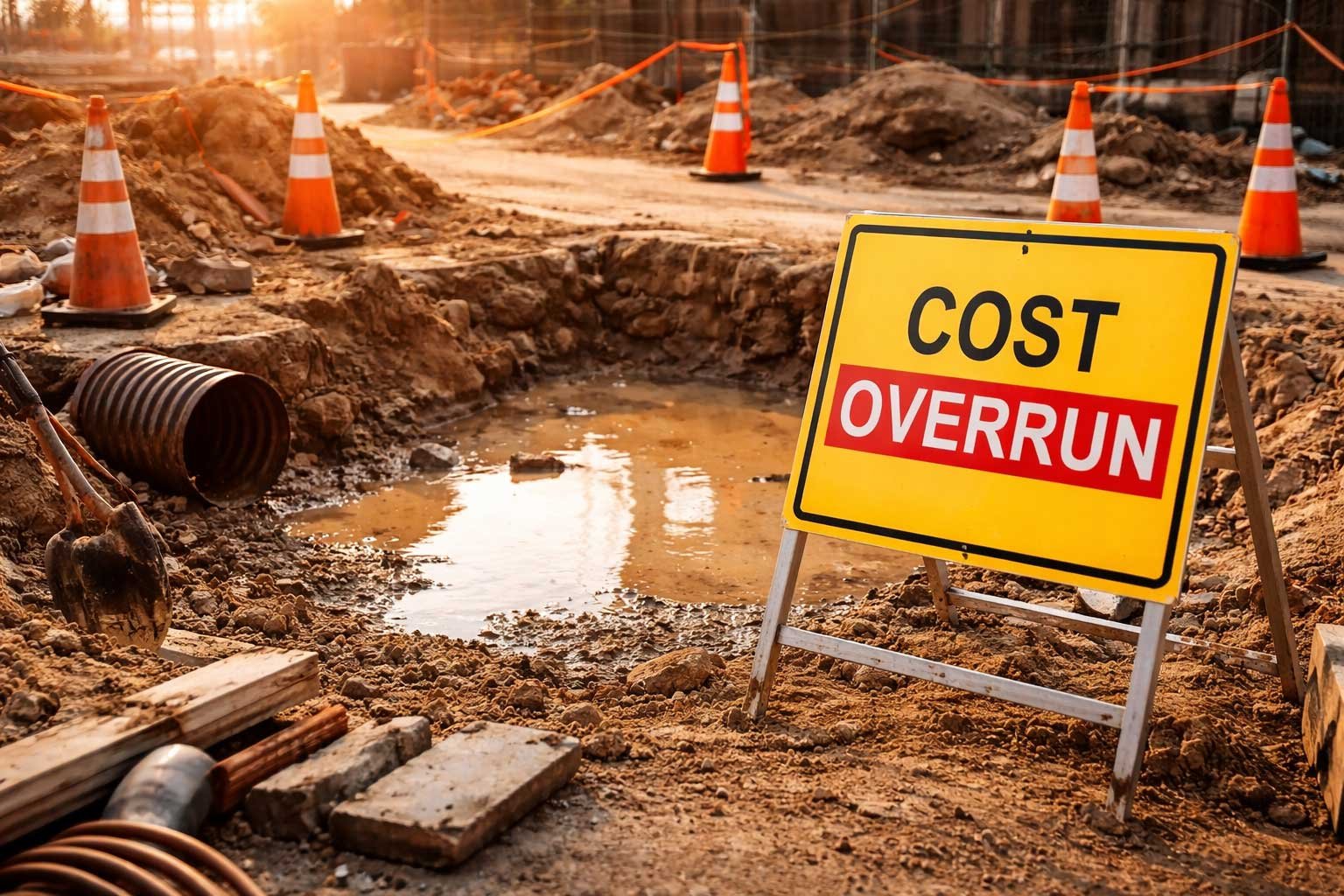
Site conditions are one of the largest sources of cost overruns.
Common hidden site costs include:
Soil instability
Rock excavation
Drainage corrections
Environmental mitigation
Without proper geotechnical analysis, site preparation costs can escalate quickly after construction begins.
3. Utility Connection and Infrastructure Upgrades
Connecting a building to utilities often costs more than anticipated.
Hidden infrastructure costs may involve:
Upgrading existing utility lines
Off-site improvements
Temporary service installations
These expenses are often outside the contractor’s base scope but essential to project completion.
4. Design Changes and Scope Adjustments
Even small design changes can trigger a chain reaction of additional costs.
Hidden design-related costs include:
Redesign fees
Rework and material waste
Schedule extensions
Late-stage design changes are among the most expensive hidden costs in construction projects.
5. Construction Delays and Time-Related Expenses
Time is one of the most underestimated cost drivers in construction.
Hidden delay-related costs include:
Extended labor commitments
Equipment rental extensions
Financing interest accrual
Every delay compounds expenses beyond the original budget.
6. Material Price Fluctuations
Construction material prices can shift rapidly due to market conditions.
Hidden material costs often result from:
Price escalation clauses
Supply chain disruptions
Substitution of unavailable materials
Without contingency planning, these fluctuations can significantly impact project margins.
7. Coordination and Management Overhead
Poor coordination between contractors, consultants, and suppliers creates inefficiencies that translate directly into cost overruns.
Hidden management costs include:
Rework due to miscommunication
Idle labor or equipment
Extended project supervision
Strong project management is essential to controlling these costs.
How to Plan for Hidden Construction Costs
Effective planning does not eliminate hidden costs—it prepares for them.
Best practices include:
Detailed pre-construction analysis
Realistic contingency budgeting
Clear scope definitions
Regular cost reviews during construction
A disciplined approach to cost management is just as important as technical execution.
Hidden costs in building projects are not anomalies—they are predictable risks that can be managed with foresight and structure.
By identifying hidden construction costs early and planning accordingly, project stakeholders can protect budgets, schedules, and long-term outcomes.
In construction, what you don’t see upfront often matters most.