Top Challenges Faced by Building Contractors and How to Solve Them
Practical Solutions to the Most Common Construction Obstacles
Building contractors operate in an environment where timelines are tight, margins are sensitive, and coordination is constant. Even experienced professionals face recurring challenges that can impact construction efficiency, project costs, and client relationships if not managed properly.
Understanding the top challenges faced by building contractors—and knowing how to address them proactively—is critical to delivering successful projects.
Aenean arcu metus, suscipit ac sagittis vel, varius vulputate purus. Vestibulum eget felis at ipsum suscipit elementum eget a nulla. Curabitur auctor dignissim vestibulum. Praesent vel imperdiet nunc, sit amet venenatis sapien. Aenean quis varius nibh, vel egestas metus. Aenean blandit varius lacinia. Praesent imperdiet egestas aliquet. Integer luctus ex quis feugiat malesuada.
Jane Smith

Why Construction Challenges Persist
Construction projects involve multiple stakeholders, regulatory oversight, and variable site conditions. Many challenges arise not from lack of skill, but from gaps in planning, communication, or adaptability.
Common sources of contractor challenges include:
Changing regulations
Labor market volatility
Supply chain disruptions
Coordination across trades
Left unaddressed, these issues can escalate quickly.
1. Labor Shortages and Workforce Management
One of the most pressing challenges for building contractors today is labor availability.
Skilled labor shortages lead to:
Delayed schedules
Increased labor costs
Reduced productivity
How to solve it:
Build long-term relationships with subcontractors
Plan labor needs early during pre-construction
Invest in training and workforce retention
Reliable labor planning reduces dependency on last-minute solutions.
2. Rising Material Costs and Supply Chain Issues
Fluctuating material prices and unpredictable delivery timelines are common challenges in construction projects.
These issues result in:
Budget overruns
Schedule disruptions
Scope modifications
How to solve it:
Lock pricing where possible
Identify alternative suppliers
Maintain contingency allowances
Proactive material planning is essential for cost control.
3. Project Delays and Scheduling Conflicts
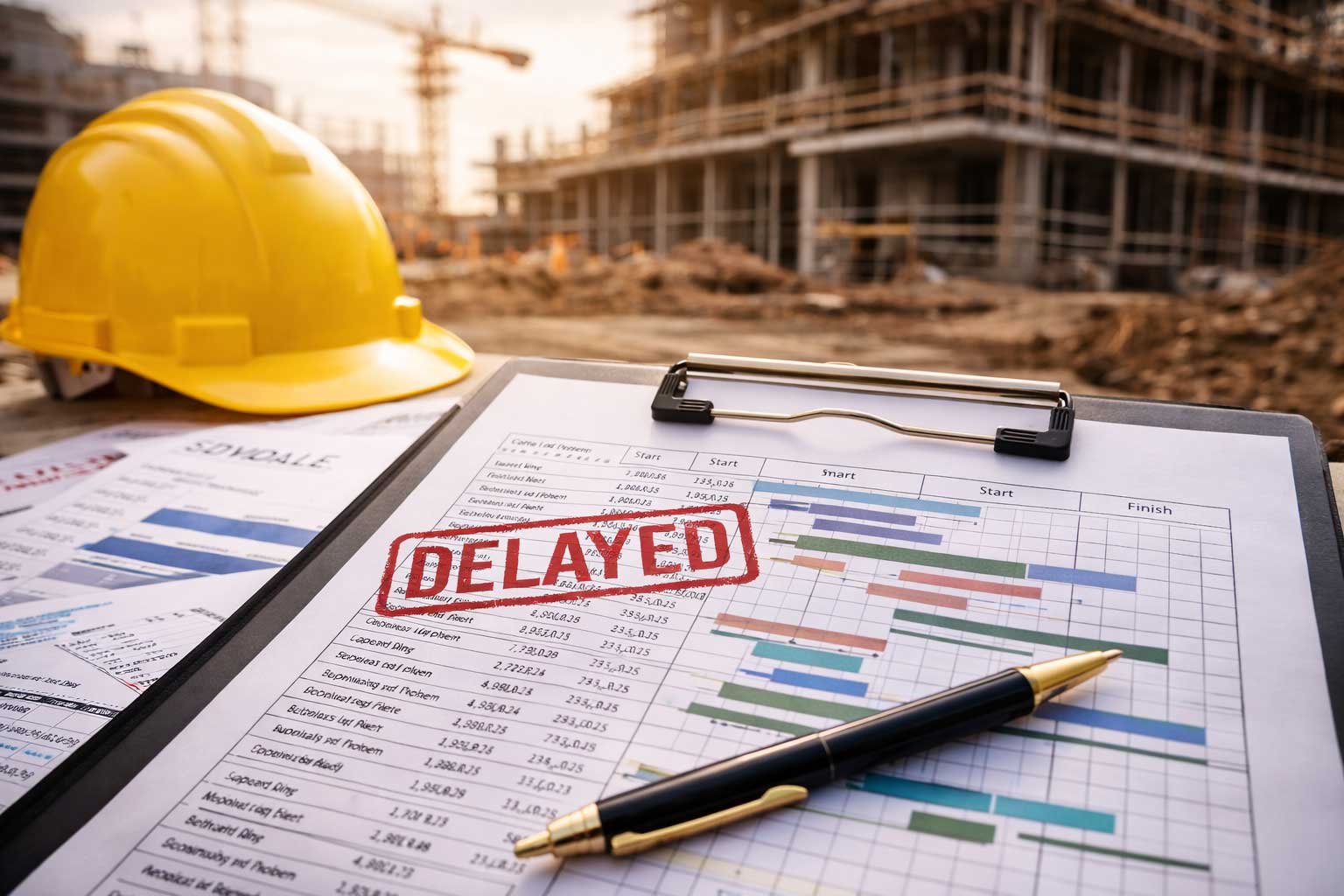
Delays are often caused by cascading issues rather than a single event.
Typical delay drivers include:
Permit approval delays
Weather conditions
Poor coordination between trades
How to solve it:
Develop realistic schedules
Build float into critical activities
Hold regular coordination meetings
Time management is one of the contractor’s most valuable skills.
3. Utility Connection and Infrastructure Upgrades
Connecting a building to utilities often costs more than anticipated.
Hidden infrastructure costs may involve:
Upgrading existing utility lines
Off-site improvements
Temporary service installations
These expenses are often outside the contractor’s base scope but essential to project completion.
4. Budget Control and Cost Overruns
Cost overruns are a major risk for building contractors, particularly when scopes are unclear or change frequently.
Common causes include:
Incomplete drawings
Unapproved change orders
Inaccurate cost estimates
How to solve it:
Establish clear scopes of work
Implement formal change order processes
Track costs continuously
Strong cost management protects both contractors and clients.
5. Communication Breakdowns
Construction involves constant communication between owners, architects, engineers, subcontractors, and inspectors.
Miscommunication can lead to:
Rework
Delays
Disputes
How to solve it:
Use centralized communication systems
Document decisions and changes
Maintain clear reporting structures
Clear communication reduces friction across all project phases.
6. Regulatory Compliance and Inspections
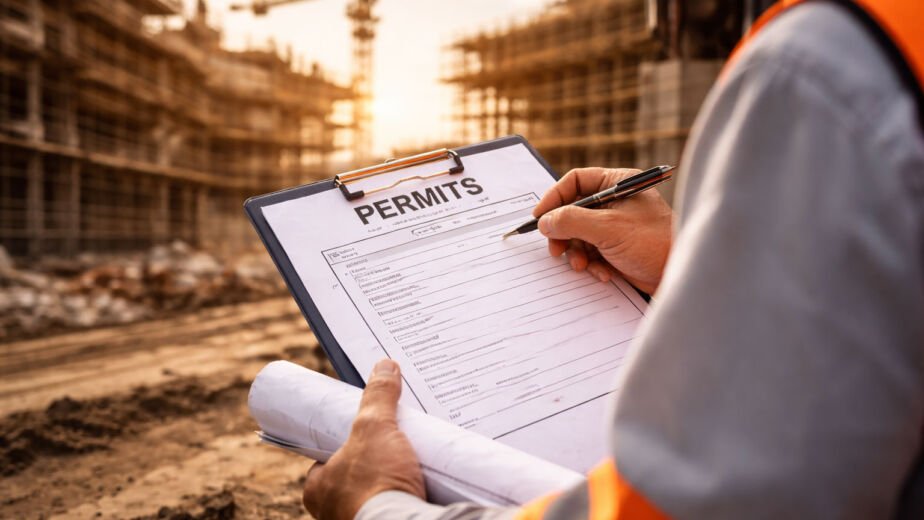
Navigating permits, inspections, and regulatory requirements is a persistent challenge for contractors.
Common compliance issues include:
Missed inspections
Incomplete documentation
Code interpretation errors
How to solve it:
Stay informed of local regulations
Coordinate inspections proactively
Work closely with permitting authorities
Compliance planning should be integrated into the construction schedule.
7. Managing Client Expectations
Unrealistic expectations regarding cost, schedule, or outcomes can strain contractor-client relationships.
How to solve it:
Set clear expectations early
Communicate risks transparently
Provide regular progress updates
Expectation management is as important as technical execution.
The challenges faced by building contractors are complex but manageable. Success depends not on avoiding problems altogether, but on anticipating them and responding with structure and discipline.
Contractors who invest in planning, communication, and adaptability are best positioned to deliver projects on time, on budget, and to the expected standard.
In construction, proactive problem-solving is a competitive advantage.